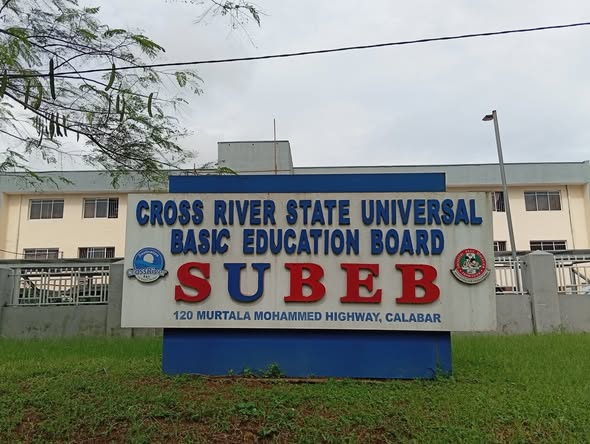
CR-SUBEB, UBEC FLAG OFF STATEWIDE ENROLLMENT
-
admin
- September 10, 2026
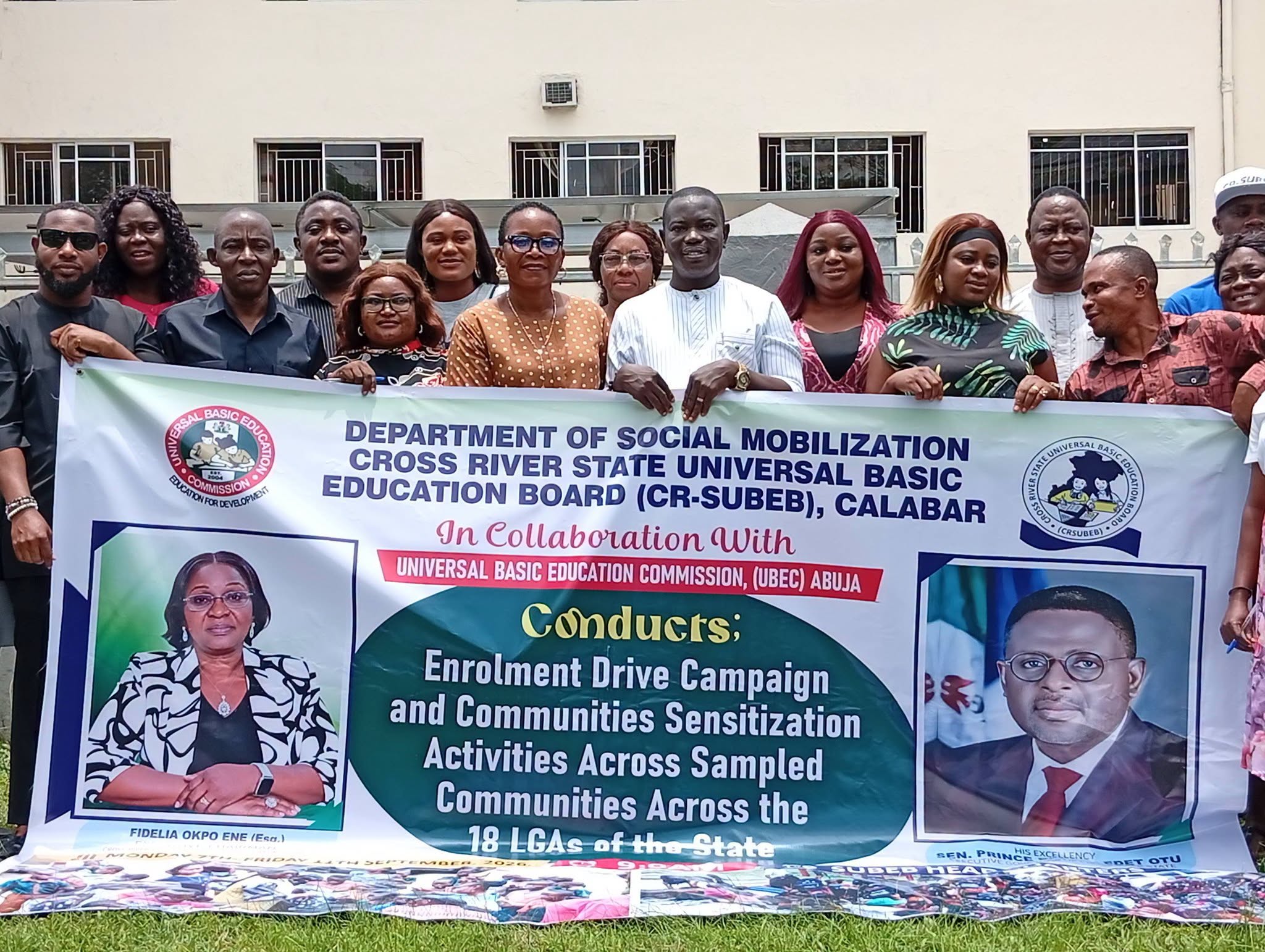
CRSUBEB, UBEC Launch Statewide Enrollment Drive
-
- September 9, 2026
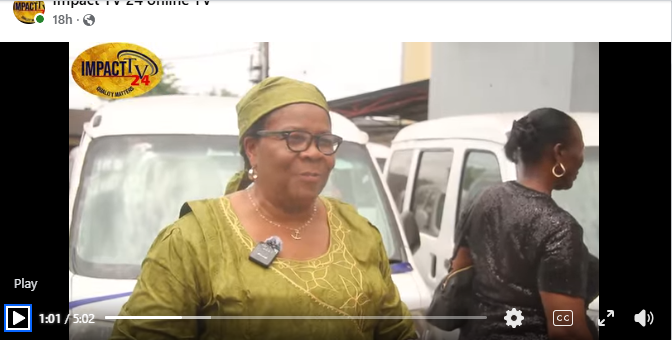
Buses given to EAC’s of various
-
- September 9, 2026
Cross River Intensifies Drive to Return Out-of-School Children to Classroom
 …
…
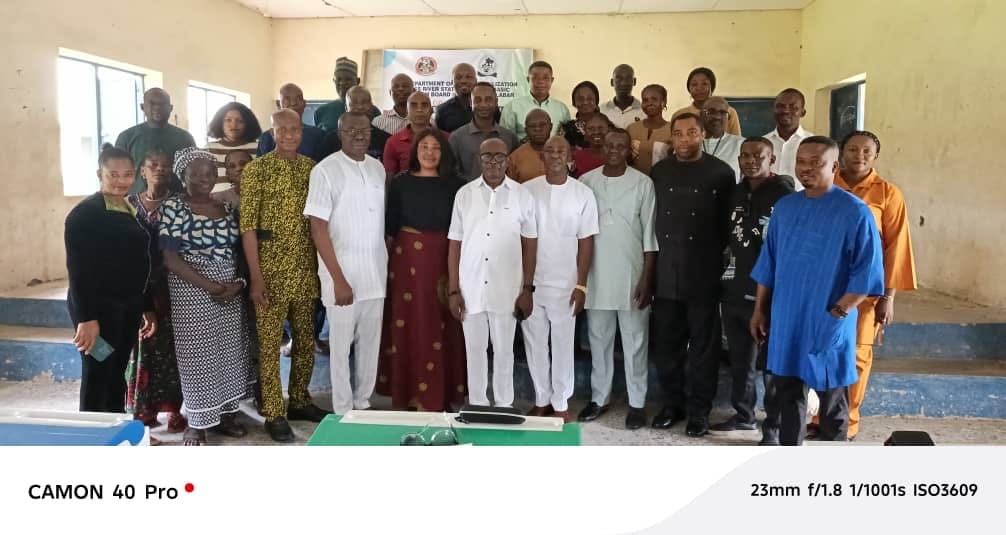
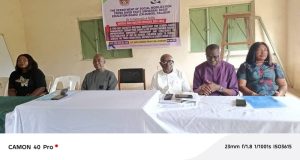
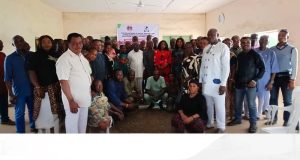
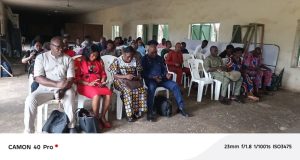
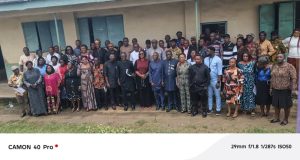
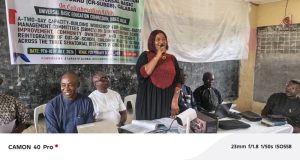
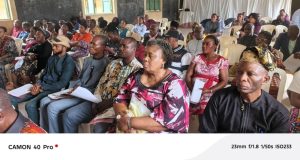
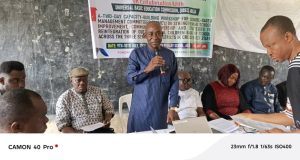
The Cross River State Government has stepped up efforts to tackle the challenge of out-of-school children, with the Cross River State Universal Basic Education Board (SUBEB), in collaboration with the Universal Basic Education Commission (UBEC) and UNICEF, organising capacity-building workshops for key education stakeholders across the state’s three senatorial districts.
The workshops, held in Calabar, Ikom and Ogoja, brought together School-Based Management Committees (SBMCs), Social Mobilisation Officers (SMOs), Local Government Education Secretaries, head teachers and other community stakeholders. Organised by SUBEB’s Department of Social Mobilisation, the programme is aimed at strengthening school governance, deepening community ownership of education, promoting inclusive learning and increasing school enrolment, retention and completion.
Speaking during the training sessions, the Director of Social Mobilisation, Mr. Sunny Abua Afor, said the initiative was designed to equip participants with practical skills to identify out-of-school children, mobilise communities, strengthen school governance and ensure that every school-age child is enrolled, retained and supported to complete basic education.
Afor attributed the successful implementation of the programme to the education-friendly policies of Governor Senator Prince Bassey Edet Otu, particularly the payment of the state’s Universal Basic Education counterpart fund, which enabled Cross River to access critical intervention funds for educational development. He also commended the Executive Chairman of SUBEB for her unwavering commitment to expanding access to quality basic education across the state.
Representing the Executive Chairman of SUBEB, Dr. Roselyn Bisong, Board Member III, described the workshop as a strategic intervention to strengthen the capacity of education stakeholders to improve school governance, deepen community participation and confront the challenge of out-of-school children.
She emphasised that School-Based Management Committees, Social Mobilisation Officers and Education Secretaries serve as vital links between government, schools and communities, urging participants to work closely with head teachers, parents, traditional rulers and community leaders to identify children who are out of school and facilitate their return to the classroom.
Consultant on Out-of-School Children to Cross River SUBEB, Professor Effa German Anagbogu, described the growing number of out-of-school children as a collective responsibility requiring coordinated action by government, parents, schools, traditional institutions, faith-based organisations and communities. He said participants were trained on effective strategies for identifying out-of-school children, engaging their families and sustaining school attendance through stronger community ownership and accountability.
Professor Anagbogu disclosed that the training was preceded by a statewide school mapping exercise to assess school conditions, identify barriers to education and generate data for evidence-based interventions, adding that regular monitoring and evaluation would be undertaken to measure the programme’s impact.
Also speaking, Professor Agba Ogaboh stressed the critical role of Community-Based Organisations (CBOs) in complementing government efforts through advocacy and public enlightenment. He encouraged participants to leverage traditional institutions, religious bodies, youth and women groups, as well as political leaders, to drive school enrolment campaigns and support the maintenance of educational facilities.
The Director of Agency and Non-Formal Education, Dr. Alice Ulom, said the training was designed to strengthen the communication, advocacy and community mobilisation skills of Social Mobilisation Officers and School-Based Management Committees. She noted that the initiative aligns with the Federal Government’s education policy and Sustainable Development Goal Four (SDG 4), which seeks to ensure inclusive, equitable and quality education for all by 2030.
Participants described the workshops as timely and impactful. An education stakeholder from Ogoja, Mr. Ernest Oton, said the training reinforced the need for communities to take ownership of their schools, while the Education Secretary for Obudu Local Government Area, Mr. Uteb Kanis Akpon, highlighted inclusive education as a key takeaway, stressing the importance of providing equal learning opportunities for every child, including those living with disabilities and special educational needs.
The workshops featured interactive sessions facilitated by professors and education experts on school governance, stakeholder engagement, advocacy, inclusive education and practical strategies for reducing the number of out-of-school children. SUBEB reaffirmed its commitment to working with government, development partners, traditional institutions and communities to ensure that every child in Cross River State has access to quality, inclusive and equitable basic education.
Cross River SUBEB, UBEC Inaugurate SBMC Executive to Boost Community Role in Education
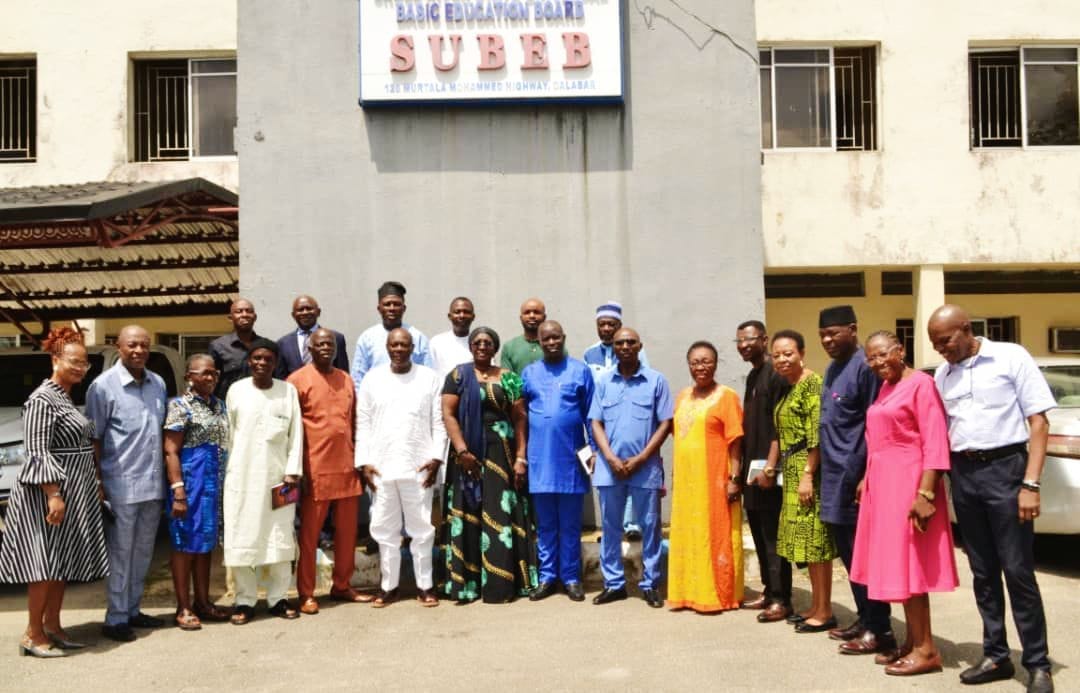
The Cross River State Universal Basic Education Board, in collaboration with the Universal Basic Education Commission, has inaugurated the State Executive of the School-Based Management Committee (SBMC) as part of efforts to deepen community participation in school administration and improve access to basic education across the state.
The inauguration ceremony, held on Thursday in Calabar, drew key stakeholders in the education sector, including government officials, community leaders, and development partners committed to advancing learning outcomes.
Speaking at the event, the Chairman of SUBEB, Magistrate Fedelia Okpo Ene (rtd), charged members of the newly inaugurated executive to uphold transparency, accountability, and dedication in the discharge of their duties.
She commended Governor Bassey Otu for his continued support for educational reforms and policies aimed at strengthening the sector.
According to Ene, the SBMC serves as a critical platform for grassroots engagement, enabling communities to actively participate in the management and development of schools.
“The role of the State Executive is simple but powerful: to mobilize communities, ensure accountability, and work with school authorities to improve learning for every child,” she said.
She further urged members to intensify efforts to return out-of-school children to the classroom, stressing that leaving children on the streets poses long-term social and security risks.
“There is no age limit to education. The SBMC aims to bring all street children back to school so they can become useful citizens tomorrow,” she added.
Earlier, the Director of Social Mobilization and Coordinator of the Committee, Mr. Abua Sunday Afo, described the inauguration as a major step toward promoting inclusiveness and strengthening community ownership of schools.
He noted that the SBMC plays a vital role in safeguarding school activities, promoting gender equality, mobilizing community and diaspora support, and fostering partnerships for infrastructure and library development.
Afo explained that members of the executive were selected based on their integrity, commitment to education, and track record of service, adding that the committee aligns with UBEC’s vision that “education for all is the responsibility of all.”
The newly inaugurated State Executive is headed by Etubom Ededem Ita as Chairman, with Francis Effiong Inameti as Vice Chairman and Ishie Sunday Adugba as Secretary.
Other members include Inock Joseph Ulom (Financial Secretary), Chief Raymond Apie Nandi (Treasurer), Henry Mannah (Public Relations Officer), Inaku Paulina (SBMC Desk Officer), Onah David Obule (Nigeria Union of Teachers representative), Mrs. Theresa Iyozo Emeka (Ministry of Education representative), Rev. Patrick Ofem (Religious representative), Mrs. Carolette Henshaw (Women representative), Agida Peter (Youth representative), and Solomon Ndem (Civil Society representative).
By Joy Ndoma.